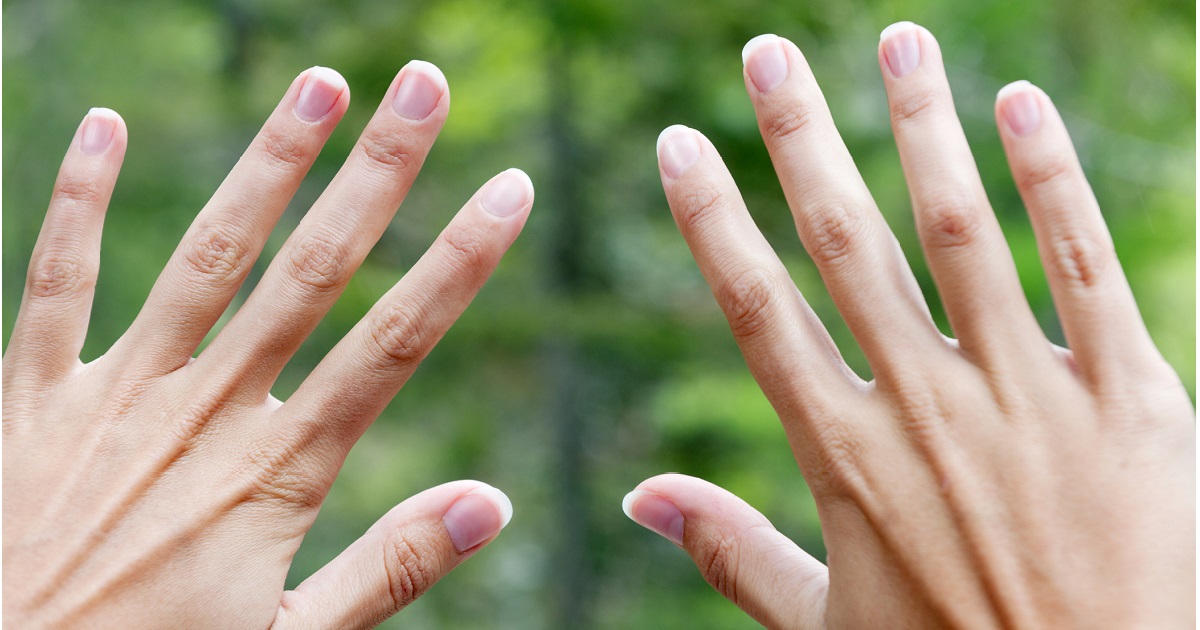
We’ve all been there: you go to open a soda can, catch a sweater, or simply type an email, and feel that dreaded snag or bend. Soft, flexible nails that peel, split, or refuse to grow can be more than a cosmetic nuisance—they can be a daily frustration and a sign from your body. Understanding why this happens is the first step toward transforming them from fragile to formidable.
Why Are My Nails So Soft?
Your nails, composed mainly of a protein called keratin, are a window into your overall health. Several factors can weaken their structure:
1. Frequent Moisture Exposure: Just as soaking makes paper weak, constant contact with water, soaps, and cleaning products washes away natural oils, causing nails to swell, then shrink and become brittle as they dry.
2. Overuse of Nail Products: Regular application and removal of polish, acrylics, and gel manicures, especially with harsh acetone-based removers, can be incredibly dehydrating and damaging.
3. Nutritional Deficiencies: Keratin production requires specific building blocks. A lack of key vitamins and minerals directly impacts nail strength.
4. Natural Aging & Genetics: Just like skin and hair, nail texture and growth rate can change with age and are partly determined by your genes.
5. Underlying Health Conditions: Sometimes, persistently soft or peeling nails can indicate thyroid issues, anemia, or other health concerns. If problems are severe or sudden, consulting a doctor is wise.
From Soft to Strong: A Daily Defense Plan
Transforming soft nails is about consistent care and protection:
- Moisturize Religiously: Apply a rich hand cream or pure oil (like jojoba or almond oil) after every hand wash. Gently massage it into your nails and cuticles.
- Wear Gloves: Always wear waterproof gloves for washing dishes, cleaning, or any prolonged contact with water.
- File with Care: Use a fine-grit nail file and shape nails gently in one direction. Avoid harsh back-and-forth sawing, which can cause micro-tears. Keep them at a short to medium length to prevent snagging.
- Give Them a Break: Schedule regular “polish-free” periods to let nails breathe and recover from chemical exposure.
- Buff Gently: Occasional light buffing can smooth ridges and stimulate circulation, but over-buffing thins the nail plate—less is more.
Treating the Weakness: Beyond the Surface
For nails that are peeling or splitting:
- Nail Hardening Products: Use them cautiously. Look for ingredients like hydrolyzed wheat protein or calcium which reinforce structure, and avoid formaldehyde, which can over-harden and lead to brittleness.
- Protective Nail Serums: Invest in a quality nail and cuticle serum containing peptides and moisturizing agents designed to repair the nail plate.
- The “Gel Soak-Off” Test: If you suspect gel manicures are the culprit, take an extended break and switch to regular, non-acetone polish.
Why Do They Break So Easily?
Breaking is often the result of the factors above. Soft nails lack integrity, making them more prone to bending. When bent beyond their limit, they tear or snap. Think of a dry twig versus a flexible green one—hydration and nutrition provide that crucial flexibility.
Your Inner Nail Pharmacy: Essential Vitamins
What you eat directly feeds your nails. Key players include:
- Biotin (Vitamin B7): The superstar for keratin production. Studies suggest it can help thicken the nail plate.
- Iron: Crucial for delivering oxygen to nail beds. Deficiency is a common cause of spoon-shaped or brittle nails.
- Vitamin C: Needed for collagen production, which provides the supportive “bed” for nails to grow from.
- Zinc: Supports cell division and growth, essential for strong new nail cells.
- Vitamin E & Omega-3s: Powerful antioxidants that protect cells and combat brittleness by supporting moisture.
Foods to Fortify Your Nails
You can find these nail heroes in your kitchen:
- For Biotin & Protein: Eggs (especially yolks), almonds, peanuts, salmon, sweet potatoes.
- For Iron: Lean red meat, spinach, lentils, chickpeas, and fortified cereals (pair with vitamin C-rich foods for better absorption).
- For Vitamin C: Citrus fruits, bell peppers, strawberries, broccoli.
- For Zinc: Pumpkin seeds, chickpeas, cashews, beef.
- For Omega-3s: Fatty fish (salmon, mackerel), walnuts, flaxseeds, chia seeds.
Strong nails are built from the inside out and protected from the outside in. It’s a marathon, not a sprint. By combining mindful external care with nourishing internal support through a balanced diet, you give your nails the foundation they need to grow long, strong, and resilient. Start with one change—be it moisturizing daily or adding a handful of almonds to your snack routine—and build from there. Your strongest nails yet are within reach.
Read also: How to file your nails properly?
