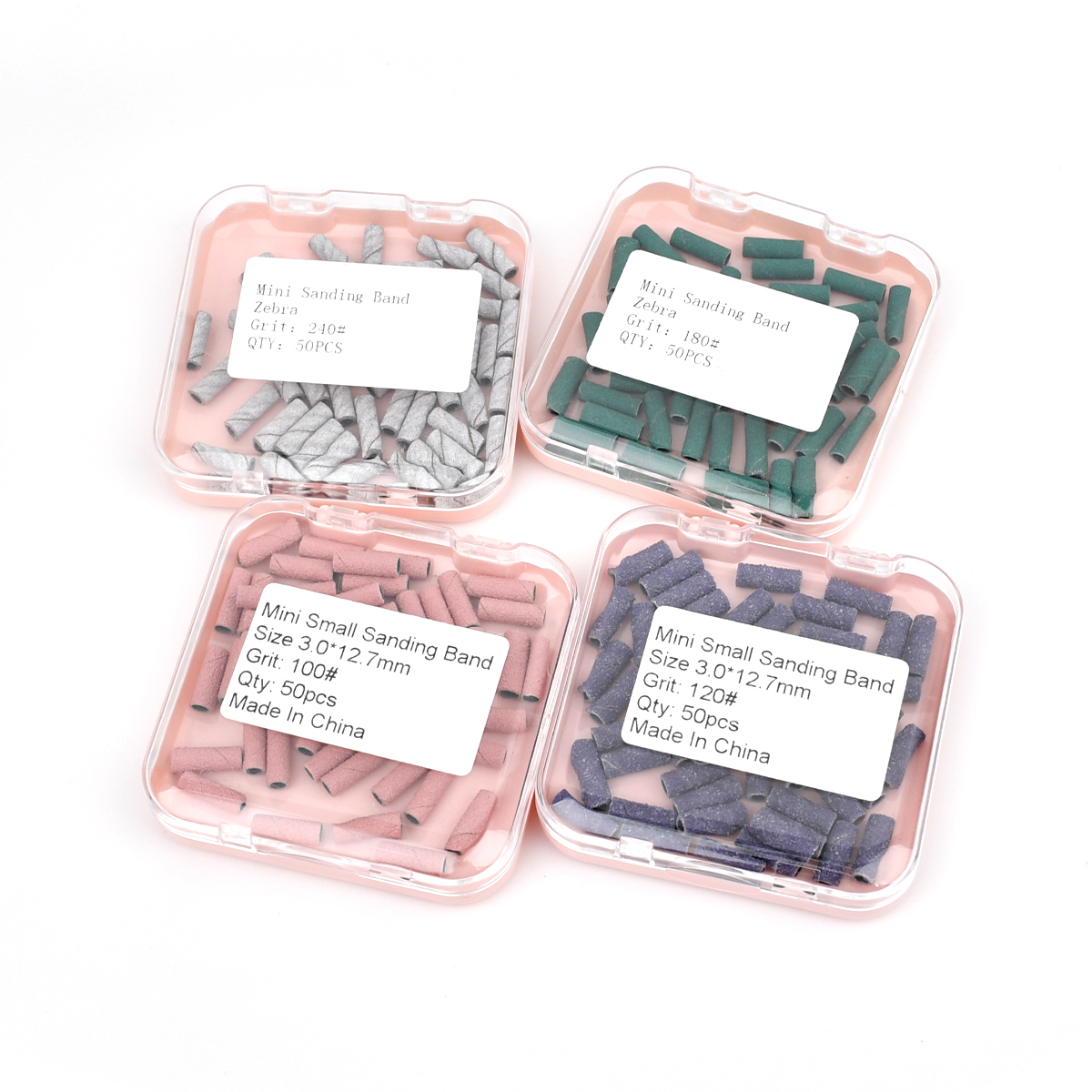
In the world of modern nail care, the electric nail drill is a game-changer. But the real stars of the show are the bits that attach to it. Nail drill bits are specialized attachments that spin at high speeds to efficiently file, shape, and refine nails and enhancements. Understanding their uses, grits, and advantages is key to achieving a professional manicure.
What Are They Used For?
Nail drill bits are incredibly versatile. They are used to shorten and shape artificial nails (like acrylics and gels), gently remove product during fills, clean under the free edge of the nail, buff surfaces to a high shine, and meticulously prep the natural nail before product application. This makes them indispensable for both nail technicians and at-home enthusiasts.
Understanding Grit and Which Bit to Use
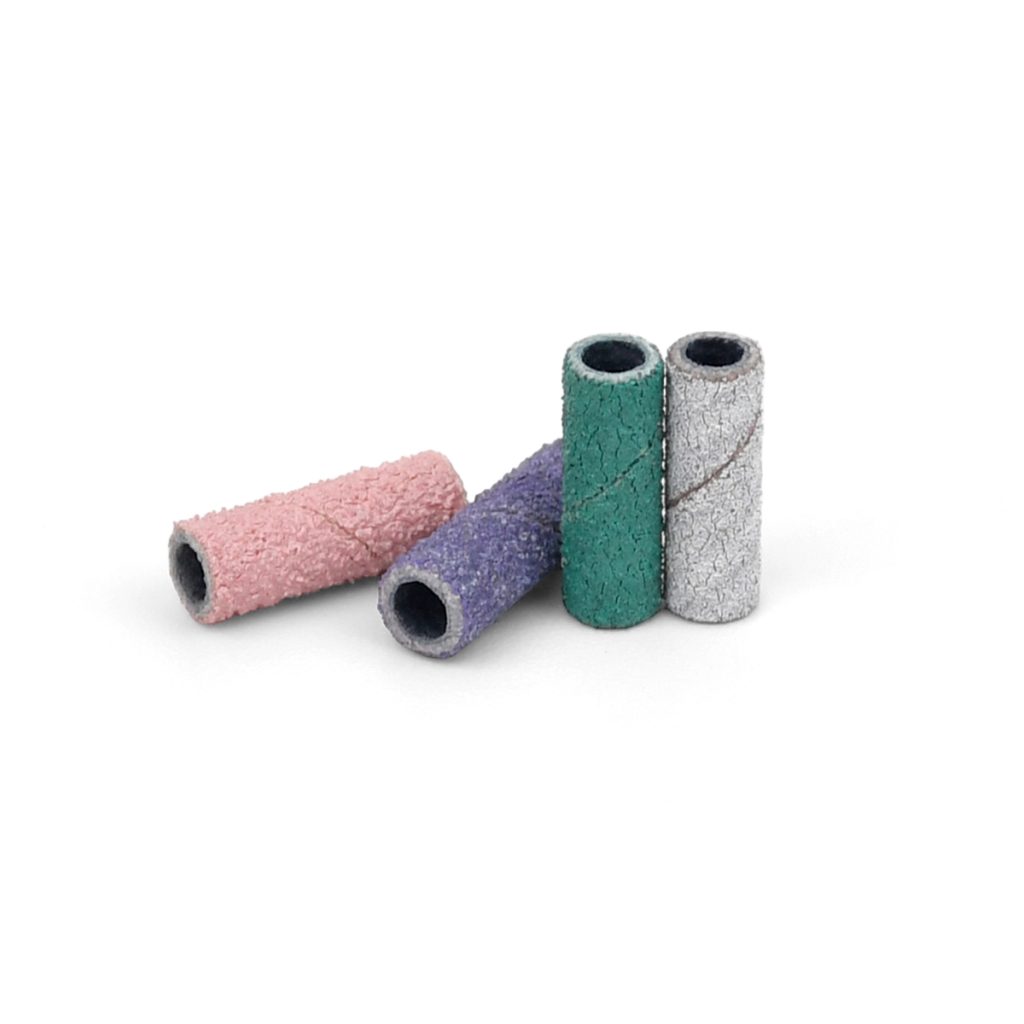
The surface of a drill bit is covered in an abrasive material, and its coarseness is measured in grit. The lower the number, the more coarse and aggressive the bit. The higher the number, the finer and smoother it becomes.
- Coarse Grit (Below 100 grit): These are very aggressive bits, often with a sandpaper-like surface or deep grooves. They are designed for heavy-duty tasks like quickly shortening thick acrylic nails or removing bulky product. Caution: They are not suitable for use on the natural nail plate as they can cause significant damage and heat buildup.
- Medium Grit (100 grit – 180 grit): This is the most common range for everyday use. A bit around 100-150 grit is perfect for efficiently shaping acrylics and removing most gel polish. A 180 grit bit is a versatile workhorse, ideal for general shaping and for gently buffing the surface of the natural nail during prep, creating a perfect surface for product adhesion.
- Fine Grit (240 grit and above): These bits have a very smooth surface. They are used for delicate work, such as refining the shape of soft gel extensions, smoothing out any minor imperfections, and creating a pre-shine before polishing. Bits with grits of 400 and above are used exclusively for high-shine buffing and polishing.
Nail Drill Bits vs. Traditional Nail Files
While both tools abrade the nail, they differ significantly:
1. Efficiency & Speed: An electric nail drill accomplishes in seconds what can take minutes with a manual file. This is a major advantage for professionals and saves time for anyone.
2. Precision & Control: The variety of bit shapes (cone, barrel, taper, etc.) allows for access to hard-to-reach areas, like the cuticle sidewall or under the nail tip, with unmatched precision. Manual files are often flat and less maneuverable.
3. Versatility: One drill handpiece can host countless bits for different tasks—from heavy removal to fine polishing. A traditional file has one fixed grit.
4. Hygiene: Metal or ceramic carbide bits can be fully sterilized and sanitized between clients, reducing the risk of infection. While some emery boards can be sanitized, they are often porous and are typically discarded after use on a single person.
In conclusion, nail drill bits offer a faster, more precise, and highly versatile approach to nail care. By selecting the right grit for the task—coarse for removal, medium for shaping, and fine for finishing—you can achieve flawless, salon-quality results safely and efficiently.
